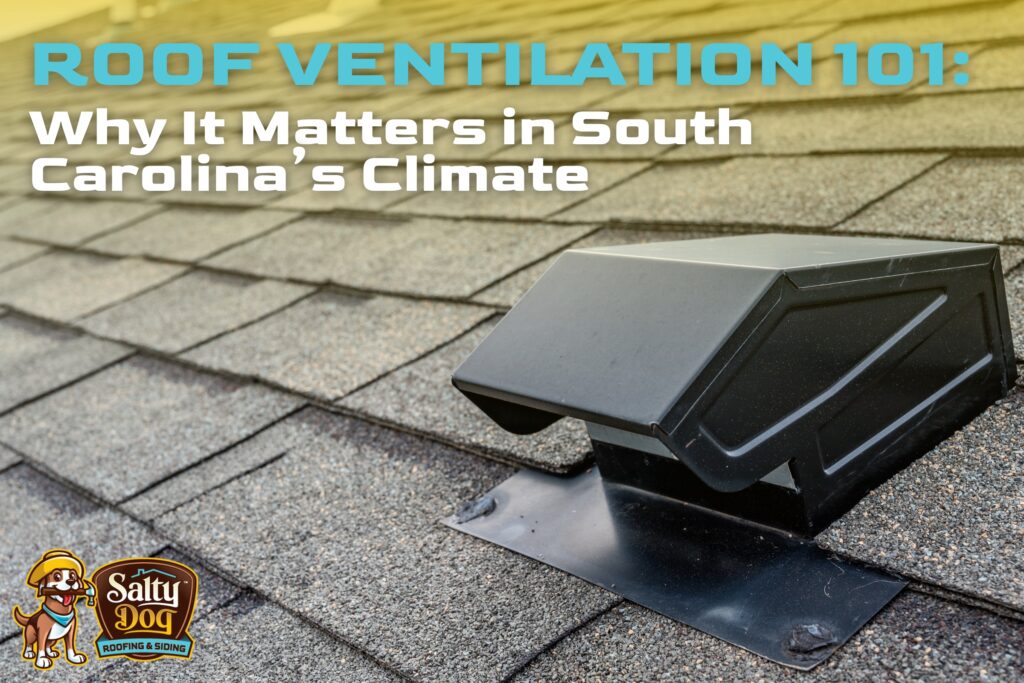

South Carolina’s hot, humid climate can take a toll on your roof if it’s not properly ventilated. Without adequate airflow, trapped heat and moisture in your attic can cause shingles to warp, insulation to deteriorate, and energy bills to skyrocket. That’s why understanding how roof ventilation works and investing in the right system is crucial for long-term roof performance.
At Salty Dog Roofing & Siding, we specialize in helping homeowners across Charleston County, Berkeley County, and Horry County design and install energy-efficient roofing systems that stand up to coastal weather and protect your investment year-round.
Why Roof Ventilation Is Essential in South Carolina
The Impact of Heat and Humidity on Your Roof
High humidity and extreme heat are part of everyday life in Florence County and Georgetown County. When hot air gets trapped inside an attic, it can raise interior temperatures by 10–15°F, forcing your cooling system to work harder. Over time, this combination of heat and moisture can:
- Accelerate shingle deterioration
- Cause wooden rafters and decking to rot
- Promote mold growth in insulation and framing
- Lead to higher energy costs throughout the summer
How Roof Ventilation Works to Regulate Temperature and Moisture
Proper roof ventilation creates a steady flow of air through your attic. Cool air enters through soffit vents under the eaves, while hot air escapes through ridge vents installed along the roof’s peak. This continuous movement reduces attic heat buildup, prevents condensation, and helps your roofing materials last longer, even through South Carolina’s toughest seasons.
Key Components of a Proper Roof Ventilation System
Attic Ventilation and Its Role in Roof Health
Attic ventilation is the backbone of any balanced roofing system. Without it, trapped moisture can damage insulation and shorten your roof’s lifespan. A properly ventilated attic keeps temperatures consistent, protecting both the roof deck and your home’s interior comfort.
Soffit Vents: Allowing Cool Air to Flow In
Located beneath the roof eaves, soffit vents allow cooler outside air to enter the attic. This intake of air pushes hot, moist air toward the top, where it exits through ridge vents. If your soffits are damaged or blocked, airflow stops, leading to moisture buildup. Salty Dog offers expert soffit installation and repair to restore proper airflow and protect your roof’s integrity.
Ridge Vents: Releasing Hot, Moist Air from the Attic
Ridge vents run along the peak of your roof, serving as the exhaust point for warm, humid air. When combined with soffit vents, ridge vents maintain a steady circulation that prevents attic heat from building up and reduces the likelihood of roof deck warping.
Balancing Intake and Exhaust for Maximum Efficiency
The key to roof heat and moisture control lies in balance. Your intake vents (soffits) and exhaust vents (ridge) must be sized proportionally to ensure consistent airflow. If one side is blocked or undersized, your ventilation system can’t perform efficiently, especially in humid areas like Dorchester County and Berkeley County.
Roof Ventilation Benefits for South Carolina Homes
A well-designed ventilation system offers year-round advantages:
- Extends roof lifespan: Proper airflow prevents shingles from overheating and reduces the risk of moisture damage.
- Improves energy efficiency and comfort: Balanced ventilation keeps your attic cooler in summer and drier in winter, lowering energy costs.
- Reduces mold growth and attic heat buildup: By maintaining stable humidity levels, you protect insulation, framing, and stored belongings.
These roof ventilation benefits make it one of the smartest long-term upgrades for homeowners across Charleston, SC.
Roof Installation & Repair
Shingles, GAF systems, storm damage
Siding Installation & Upgrades
Hardie, vinyl, energy-efficient options
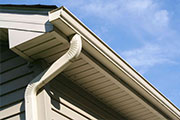
Gutter Systems
Seamless gutters, gutter guards, repairs
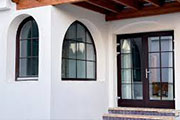
Window & Door Replacements
Energy-saving, stylish, secure
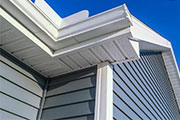
Fascia, Soffit & Trim Work
The little details that protect the big investment
Common Roof Ventilation Problems and How to Fix Them
Signs of Poor or Blocked Ventilation
If your attic feels excessively hot or you’ve noticed musty odors, peeling paint, or mold growth, your ventilation may be failing. High utility bills can also signal heat retention caused by blocked soffits or deteriorated vents.
Damage Caused by Clogged or Deteriorated Vents
Clogged vents trap humid air, which can lead to condensation, wood rot, and shingle blistering. Over time, this can compromise your roof’s structure and insulation efficiency.
Repairing or Upgrading Roof Ventilation
Salty Dog’s experienced team inspects your attic and ventilation system to identify the cause of poor airflow. Whether you need soffit repairs, ridge vent upgrades, or even a partial roof repair, we can restore your system’s performance and help you maintain optimal air balance.
Roof Ventilation Solutions for Older or Damaged Roofs
Upgrading Ventilation During Roof Replacement
If your existing roof is nearing the end of its life, it’s the perfect time to upgrade your ventilation. During a roof replacement, our technicians can add new ridge and soffit vents to improve airflow and prevent future heat or moisture issues.
Retrofitting Attic Ventilation in Existing Homes
Even if your roof isn’t ready for replacement, roof ventilation solutions can often be retrofitted. By adding or enlarging vents and sealing air leaks, we help older homes stay cooler and drier without a full rebuild.
Working With a Professional Roofer for Custom Ventilation Solutions
Each home is different, especially in South Carolina’s coastal environment. Salty Dog Roofing & Siding tailors energy-efficient roofing and ventilation plans based on your attic layout, roof slope, and material type to ensure lasting results.
Get Energy-Efficient Roofing and Ventilation Solutions With Salty Dog Roofing & Siding
Don’t let South Carolina’s heat and humidity compromise your home. The experts at Salty Dog Roofing & Siding provide customized roof ventilation solutions designed to reduce energy waste, prevent moisture damage, and extend the life of your roof.
Contact Salty Dog Roofing & Siding today to schedule a ventilation inspection and learn how proper roof ventilation can keep your home cool, dry, and energy-efficient all year long.
- Locally Owned & Operated
- 25+ Years of Roofing & Siding Experience
- 0% Financing Available
- Emergency Services 24/7
- Licensed, Insured, & Trusted by Your Neighbors

Let’s Talk About Your Next Project
Contact us today to schedule your free consultation. Let’s build something strong, beautiful, and tail-waggingly good — together.
Frequently Asked Questions About Roof Ventilation
What’s the difference between soffit vents and ridge vents?
Soffit vents bring cool air into your attic, while ridge vents let warm, moist air escape. Together, they create balanced airflow that keeps attic temperatures stable and prevents moisture buildup.
How can poor attic ventilation damage my roof?
Poor attic ventilation traps heat and humidity, leading to mold, wood rot, and shingle deterioration. Over time, this can shorten your roof’s lifespan and increase repair costs.
Does roof ventilation help lower energy bills?
Yes. When hot air escapes through ridge vents, your attic stays cooler, reducing strain on your air conditioner and lowering your energy bills, especially in hot areas like Charleston County.
Can I add ventilation to an existing roof?
Yes, many homes can be retrofitted with additional vents. A roofing professional can determine where to add ridge vents or soffit vents for the best performance.
When should I call a professional for roof ventilation repair or upgrades?
Call a professional if you notice musty attic odors, high humidity, or peeling roof paint. These can indicate poor airflow or damaged vents. The team at Salty Dog Roofing & Siding offers inspections and affordable repairs to restore ventilation efficiency.