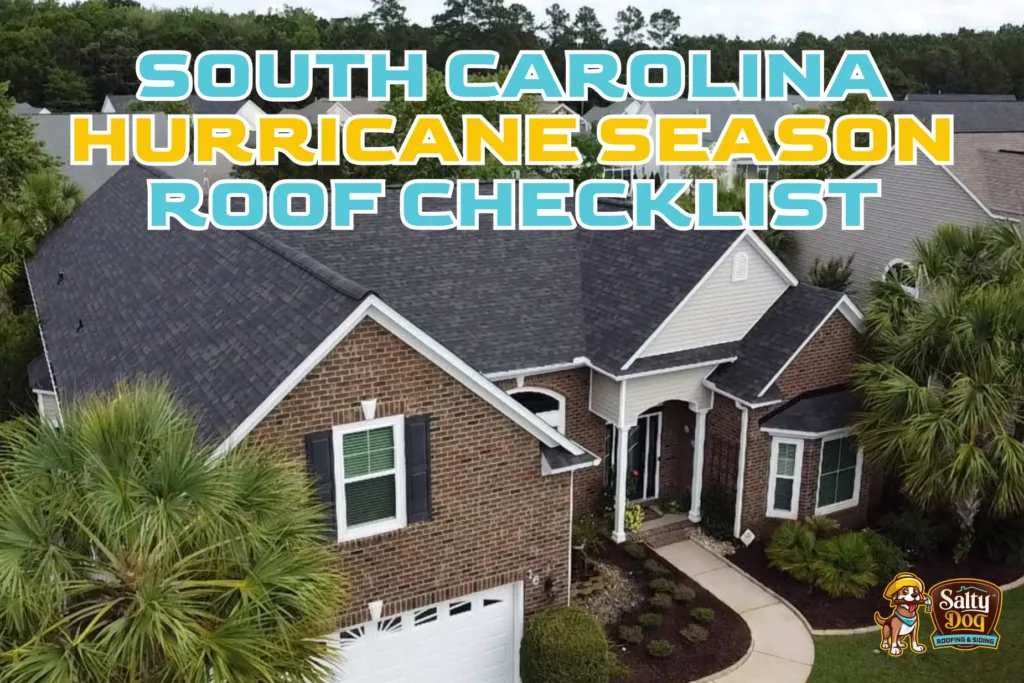

If you own a home in Charleston, Myrtle Beach, or anywhere along the South Carolina coast, hurricane season isn’t a maybe — it’s a yearly appointment on the calendar. Every June through November, the Lowcountry and the Grand Strand brace for tropical storms and hurricanes that can turn a small roof issue into a major, costly problem overnight. That’s why every South Carolina homeowner needs a hurricane season roof checklist they can rely on well before the first named storm ever makes landfall.
At Salty Dog Roofing & Siding, we’ve spent years helping homeowners across Charleston County, Horry County, and the surrounding coastal communities get their roofs storm-ready. This guide walks through exactly what to do before, during, and after a storm — so you’re prepared, not scrambling.
Why Roof Prep Matters Before Hurricane Season in South Carolina
South Carolina’s coastline sees some of the highest storm exposure on the East Coast. High winds, driving rain, and airborne debris put constant pressure on roofing systems, and even a roof that looks fine from the ground can be hiding weak spots that a storm will find. Getting ahead of roof storm prep South Carolina homeowners can’t skip means fewer emergency repairs, lower risk of interior water damage, and a much smoother insurance process if something does go wrong.
This kind of proactive, coastal roof maintenance South Carolina homes need doesn’t just protect your roof — it protects the rest of your home, too. Waiting until a hurricane watch is issued to think about your roof is waiting too long. Contractors get booked solid, materials get harder to source, and any existing damage only has more time to get worse.
Pre-Storm Roof Checklist
Use this checklist every year as you prepare roof for hurricane season conditions — ideally in late spring, before the first tropical system of the year forms.
Inspect Shingles and Flashing
Missing, cracked, or curling shingles are one of the first things high winds will exploit. Walk your property line and look for granules collecting in your yard or driveway — that’s a sign shingles are breaking down. Flashing around chimneys, vents, and skylights should be firmly sealed, since these are common entry points for wind-driven rain. If you spot loose or damaged shingles, don’t wait — scheduling roof repair now is far cheaper than an emergency call after a storm has already gotten underneath them.
Clear and Secure Gutters
Clogged gutters can’t move water away from your home the way they’re supposed to, and that backup can force water under shingles and into your fascia. Before hurricane season ramps up, clear out leaves, pine straw, and debris, and check that every section is firmly attached. If your gutters clog constantly or you’re tired of climbing a ladder every season, our gutter installation and repair team can also install gutter guards that keep debris out for good.
Trim Trees and Remove Debris Near the Roofline
Overhanging branches are one of the most preventable causes of storm damage. A single limb, whipped around by tropical-storm-force winds, can puncture shingles or take out a whole section of roof. Trim back anything hanging over your roofline, and clear loose yard debris — patio furniture, planters, decorations — that could become a projectile in high winds.
Check Attic Ventilation and Insulation for Moisture Signs
Your attic tells you a lot about the health of your roof. Go up with a flashlight and look for water stains, damp insulation, or daylight coming through anywhere it shouldn’t. These are early warning signs of a leak that hasn’t shown up on your ceiling yet — and catching it now is the kind of roof leak prevention hurricane season homeowners depend on every year, long before a storm ever makes a small issue worse.
Secure Loose Siding, Soffit & Fascia
Wind doesn’t just attack your shingles — it gets under loose siding and soffit and fascia and peels them away, exposing the wood and insulation underneath to rain. Walk the exterior of your home and press on any panels that look loose or warped. If you find gaps, cracks, or sections pulling away from the house, get them repaired before storm season, not during it.
What to Do During Hurricane Watches and Warnings
Once a hurricane watch or warning is issued for your area, your roof prep shifts from maintenance to protection mode:
- Photograph your roof, siding, and gutters from the ground so you have a clear before-record for insurance purposes.
- Secure or bring in anything loose in your yard that could become debris.
- Clear gutters and downspouts one more time so they can handle heavy rainfall.
- Avoid getting on the roof yourself once winds start picking up — that’s a job for professionals, not homeowners.
- If you already have hurricane roof damage from a previous storm that hasn’t been repaired, tarp exposed areas if it’s safe to do so.
The goal during this window isn’t to fix problems — it’s to limit how much worse they can get once the storm arrives.
Roof Installation & Repair
Shingles, GAF systems, storm damage
Siding Installation & Upgrades
Hardie, vinyl, energy-efficient options
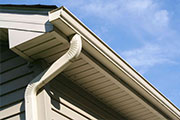
Gutter Systems
Seamless gutters, gutter guards, repairs

Window & Door Replacements
Energy-saving, stylish, secure
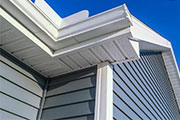
Fascia, Soffit & Trim Work
The little details that protect the big investment
After the Storm: Roof Inspection Steps
Once it’s safe to go outside, resist the urge to climb up and inspect the roof yourself. Start from the ground:
- Look for missing, lifted, or displaced shingles.
- Check for granules piled at the base of downspouts.
- Scan for sagging areas, which can indicate trapped water or structural stress.
- Look for water stains on ceilings or walls inside your home — this often shows up hours or even days after a storm passes.
- Take photos of anything you notice for your insurance claim.
A roof inspection before hurricane damage sets in any further is one of the most important things you can do in the days after a storm. Even damage that looks minor from the ground can allow water intrusion that gets worse every time it rains again. If you see any of these signs, schedule a professional storm damage roof repair assessment as soon as possible.
When to Call a Professional Roofer
Some situations call for a professional, no question:
- Visible shingle damage, holes, or exposed roof deck
- Water stains or active leaks inside your home
- Sagging rooflines or soft spots underfoot in the attic
- Damage to siding, soffit, fascia, or gutters alongside your roof
If your roof needs more than a patch, our team can walk you through full roof replacement and installation options built for South Carolina’s coastal climate. And if cost is a concern, Salty Dog offers 0% financing so storm repairs don’t have to wait on your budget.
- Locally Owned & Operated
- 25+ Years of Roofing & Siding Experience
- 0% Financing Available
- Emergency Services 24/7
- Licensed, Insured, & Trusted by Your Neighbors

Let’s Talk About Your Next Project
Contact us today to schedule your free consultation. Let’s build something strong, beautiful, and tail-waggingly good — together.
Hurricane Season Roof Checklist: Frequently Asked Questions
When does hurricane season start in South Carolina?
Hurricane season officially runs from June 1 through November 30, with the most active stretch typically falling between August and October. South Carolina homeowners should have their roof prep finished before June, since storms can form and strengthen quickly once the season is underway.
How often should I inspect my roof before hurricane season?
At minimum, inspect your roof once each spring before the season begins, and again after any major storm passes through your area. Homes with older roofs or a history of storm damage may benefit from a professional inspection twice a year.
What roof damage is most common during hurricanes?
Missing or torn-off shingles, water intrusion around flashing, and debris punctures are the most common types of hurricane roof damage in South Carolina. Wind uplift at roof edges and around ridge lines is also a frequent issue in coastal areas.
Should I have my roof inspected before or after a hurricane watch is issued?
Both matter, but a full inspection matters most before a watch is ever issued. Once a watch or warning is active, focus shifts to quick, protective steps rather than repairs, since there usually isn’t time for anything more involved.
Does homeowners insurance cover hurricane roof damage?
MSouth Carolina Hurricane Season Roof Checklistost homeowners insurance policies cover wind and storm damage, but coverage details, deductibles, and exclusions vary by policy and provider. Review your policy ahead of hurricane season and contact your insurer directly with any questions about your specific coverage.
What roofing materials hold up best against hurricanes?
Impact-resistant asphalt shingles and metal roofing systems typically perform best in high-wind, storm-prone climates like coastal South Carolina. Proper installation matters just as much as material choice, since even durable materials can fail if they aren’t installed correctly.